
DIAGNOSTIC CENTRE
Advanced Diagnostic Centre
Accurate diagnostics. Early detection.
Better insights for a healthier tomorrow.
Accuraten Diagnosis
AI Assisted Technology
Trusted Care & Support
CRP Blood Test In Deccan
- Home
- CRP Test
Understanding CRP Test In Deccan – What You Need to Know
You may have undiagnosed inflammation if you’ve been suffering from extreme fatigue, aches, and pains throughout your body, or frequent infections. CRP testing comes in handy in that situation. We at Raghav Diagnostic Centre know the significance of the detection of inflammation at an early stage and provide you with a complete CRP Test in Deccan with the latest diagnostic technology. Whether you’re dealing with acute illness or monitoring chronic conditions, our CRP Blood Test in Deccan provides accurate insights into your inflammatory markers. Let’s step you through all the essentials of CRP testing and why it is important for your health.
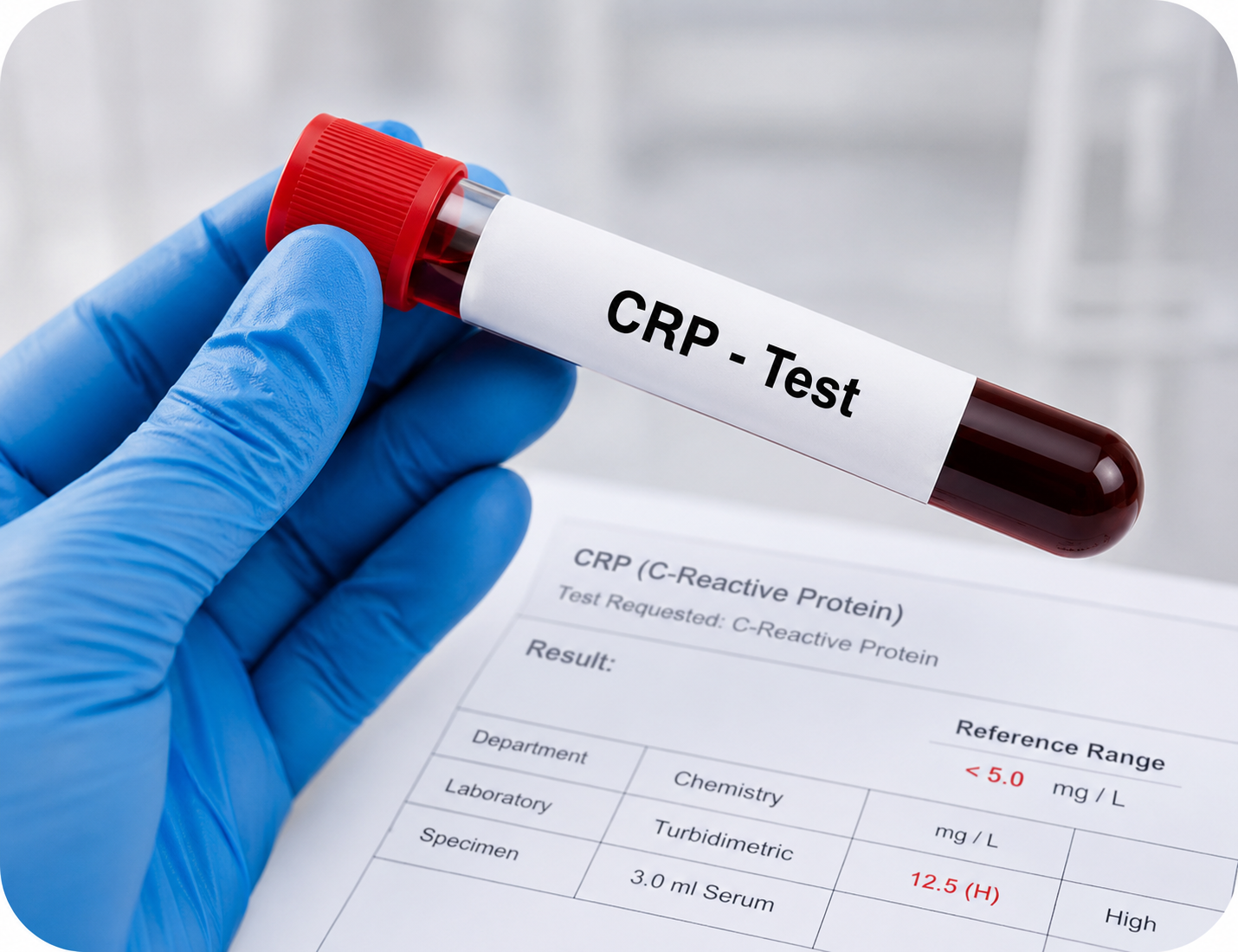
What Exactly is CRP and Why Should You Care
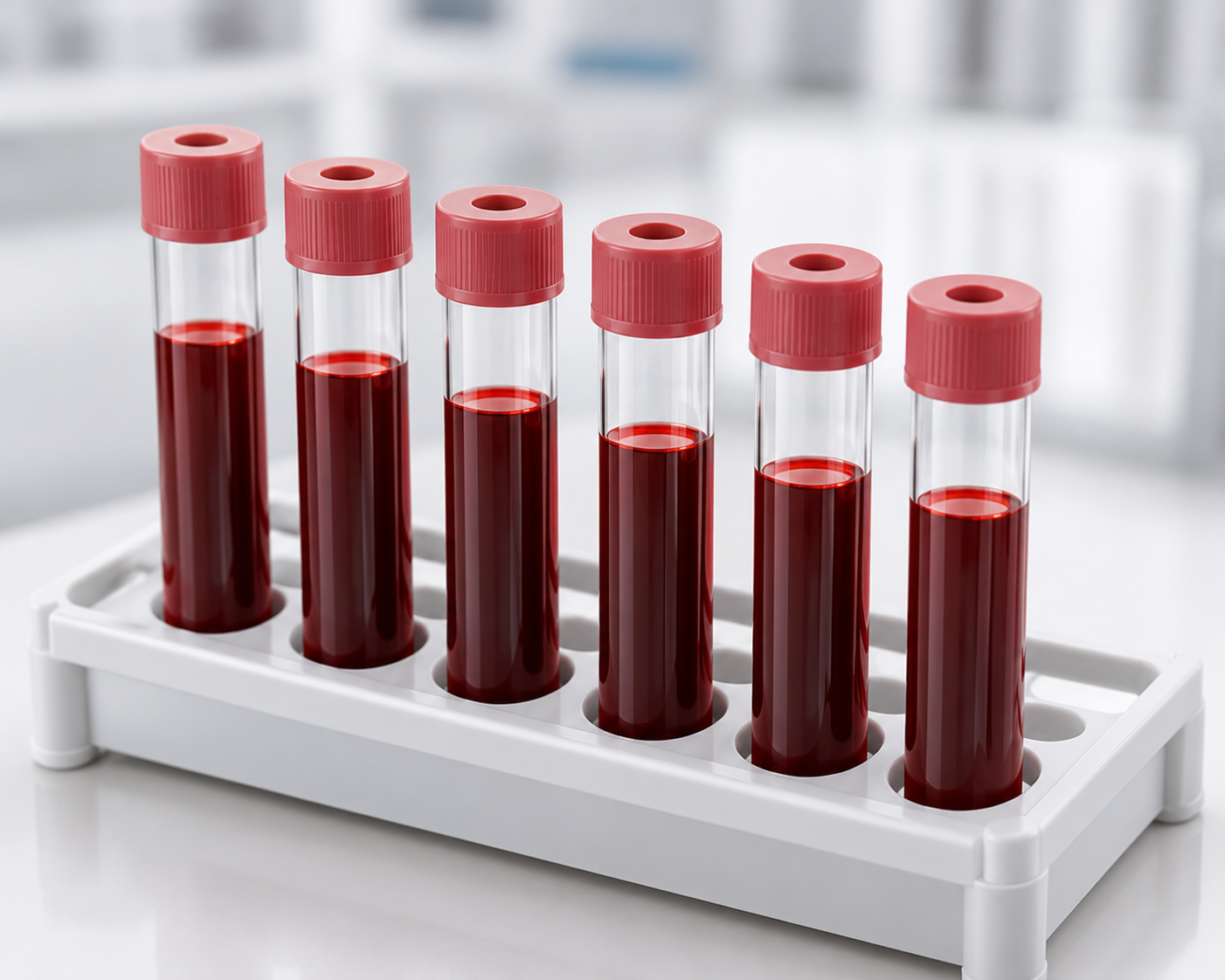
Many patients have been referred to us, believing that they are “just stressed or tired,” and then, when a CRP is done, they find that they are inflamed and need treatment. It is a bit like the check engine light in your car, except it’s a signal to issues before they get out of hand.
Who Needs CRP Testing and When Should You Get Tested
Why Choose Raghav Diagnostic Centre for Your CRP Test Lab In Deccan
We may not be the only diagnostic centre in Deccan, but we do things differently. Both our patient care and technology are contemporary.
We Don’t Rush
Not all labs treat you like a number; our staff will take the time to answer your questions and understand what a CRP test means to you. We believe patients who receive education make better health decisions.
Accuracy You Can Trust
We have regular calibration and maintenance of our laboratory equipment by certified technicians. We undertake external quality assessment schemes to ensure that our results are at least up to international standards. If you receive a CRP result from us, you can trust it.
Quick Turnaround Without Compromising Quality
We know that you need answers quickly. Most CRP test results will be available within 24 hours, and in some cases, even sooner. This speed is not from doing things “quick and dirty”—it’s from being efficient and organized.
Transparent and Fair Pricing
No hidden charges, no surprise costs. You are upfront with us on the cost of your CRP test, and we, too, offer competitive rates as we believe quality healthcare should be accessible.
Comfort Matters
Our phlebotomists are really good at making blood draws painless. If you are afraid of needles, you can tell our staff—they know how to make you feel better. Comfortable waiting areas, clean facilities, and staff that treat you like a person, not a procedure.
Flexible Options
Are you unable to attend our location? No problem. If needed, we will pick you up from home. Life is complicated; your diagnostic services shouldn’t be.
Understanding Your CRP Test Results
You may receive your CRP results as a number followed by “mg/L” (milligrams per liter). These numbers generally mean the following:
The normal CRP level is less than 3 mg/L. If you fall into this category, then you should be congratulated because your body is not affected by a lot of inflammation.
Moderate CRP (3-10mg/l) could be due to a slight infection or inflammation. In some cases, this is a temporary phenomenon and will resolve itself.
If the levels of CRP are moderately high, 10 – 100 mg/L, it may be a sign of an active infection or inflammatory disease that needs to be addressed.
CRP levels that are very high (more than 100 mg/L) indicate that inflammation or infection is present and should definitely be investigated.
But keep in mind that it is only part of the picture that are numbers. When your doctor considers your symptoms, medical history, and other test results, they use your CRP level to make an accurate diagnosis.
Testimonial our patient
Trusted Care, Positive Experiences
EXCELLENTTrustindex verifies that the original source of the review is Google. Expert care Dr well explained everything during sonography cleared doubts and made us comfortable!!Posted on GoogleTrustindex verifies that the original source of the review is Google. Good service highly professional team.Posted on GoogleTrustindex verifies that the original source of the review is Google. Had a very smooth experience with Raghav Diagnostic Centre. The staff was organized the place was clean and the reports were delivered on time everything felt well managed and professional.Posted on GoogleTrustindex verifies that the original source of the review is Google. First visit here and overall a positive experience . registration was quick staff guided us properly and there was no unnecessary waiting .would definitely recommend .Posted on GoogleTrustindex verifies that the original source of the review is Google. Good service .Posted on GoogleTrustindex verifies that the original source of the review is Google. Best diagnostic center in PunePosted on GoogleTrustindex verifies that the original source of the review is Google. good experience felt comfortable while speaking.Posted on GoogleTrustindex verifies that the original source of the review is Google. Good service . nice staffShowing only 4-5 star reviews
Blogs and News

Frequently Asked Questions
No need to fast before a CRP test—you can eat and drink as usual before the test, so it will be convenient for your schedule.
The majority of CRP results will be available within 24 hours. You will be informed when results are available for collection or viewing online
Absolutely. We test patients of all ages. Our phlebotomists have experience working with children and do their utmost to make the procedure as comfortable as possible.
A high level of CRP means your body is inflamed, possibly due to infection, injury, or chronic disease. Your doctor will use the results along with information about your symptoms and health history as tools to make an interpretation.
Just a quick blood draw, the time it takes to draw the blood. Our trained experts make sure it does not hurt much when we get collected.